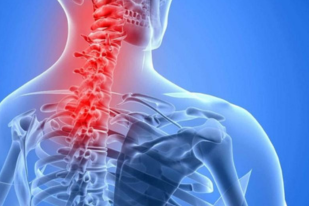

Strong bones are essential for mobility and overall health. This comprehensive guide focuses on ways to maintain and improve bone health through diet, exercise, and lifestyle choices.
Bone Functions
Bones provide structure to the body, protect internal organs, and facilitate movement by serving as attachment points for muscles. They also store essential minerals, such as calcium and phosphorus, and produce blood cells within the bone marrow.Nutrition for Bone Health
A diet rich in calcium and vitamin D is crucial for bone health. Calcium is the primary mineral in bones, found in dairy products, leafy greens, and fortified foods. Vitamin D, obtained from sunlight and certain foods, helps the body absorb calcium. Magnesium and vitamin K also play roles in bone health, found in nuts, seeds, and green vegetables.Weight-Bearing Exercises
Regular weight-bearing exercises strengthen bones by stimulating bone formation. Activities like walking, jogging, dancing, and resistance training promote bone density. Aim for at least 30 minutes of exercise most days of the week. Incorporate balance and flexibility exercises, such as yoga and tai chi, to prevent falls and fractures.Lifestyle Factors
Lifestyle choices significantly impact bone health. Avoid smoking, as it reduces bone mass and increases fracture risk. Limit alcohol consumption, as excessive drinking interferes with the balance of calcium. Maintain a healthy weight to reduce stress on bones and joints. Ensure adequate sleep for overall health and bone repair.Bone Density Testing
Bone density tests, such as DEXA scans, measure bone mineral density and help detect osteoporosis. Regular testing is recommended for postmenopausal women, men over 70, and individuals with risk factors like family history, low body weight, or previous fractures. Early detection allows for timely intervention and treatment.Understanding Osteoporosis
Osteoporosis is a condition where bones become weak and brittle, increasing fracture risk. It often develops without symptoms until a fracture occurs. Risk factors include aging, hormonal changes, and inadequate intake of calcium and vitamin D. Preventive measures include diet, exercise, and medications like bisphosphonates or hormone replacement therapy.Types of Tests
Various tests assess bone health. Bone density scans (DEXA) provide precise measurements of bone strength. Blood tests measure calcium, vitamin D, and other markers of bone metabolism. X-rays can detect fractures and bone deformities. In some cases, a bone biopsy may be necessary to diagnose specific bone diseases.Injury and Safety
Preventing bone injuries is crucial for maintaining bone health. Implement safety measures at home, such as removing tripping hazards and using non-slip mats. Wear protective gear during sports and physical activities. Ensure proper techniques when lifting weights or performing exercises to avoid strains and fractures.Maintaining bone health involves a combination of proper nutrition, regular exercise, healthy lifestyle choices, and regular screenings. By following these guidelines, you can strengthen your bones, reduce the risk of osteoporosis, and prevent bone injuries, ensuring a healthy and active life.