Heart disease remains a leading cause of death globally, making heart health a critical focus. This comprehensive guide explores various strategies to keep the heart strong and healthy through diet, exercise, stress management, and regular health screenings.
Heart Functions
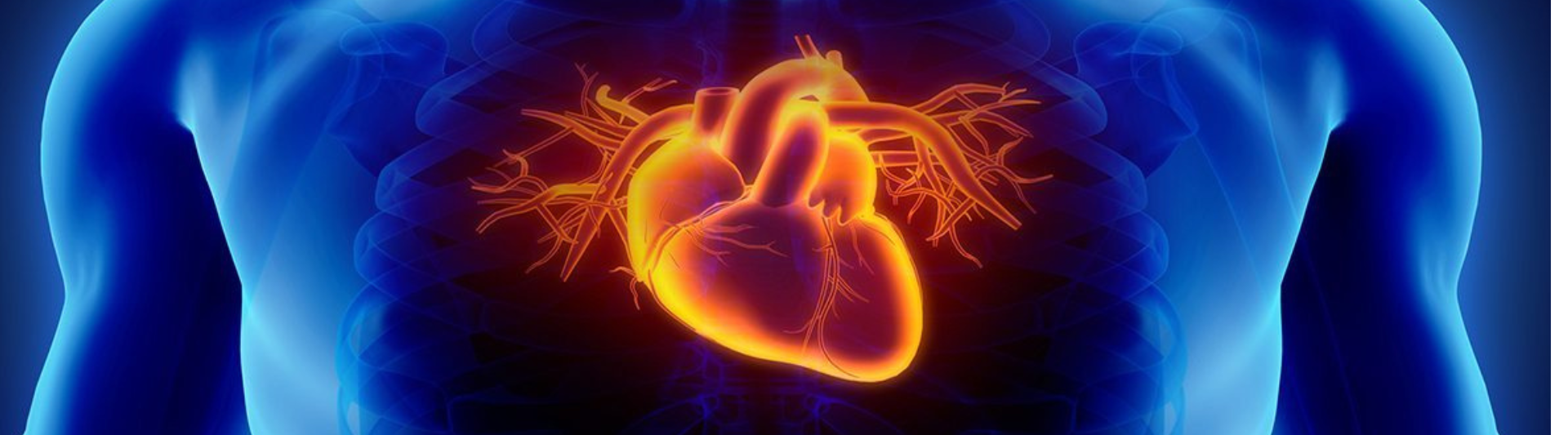
The heart is a muscular organ that pumps blood throughout the body, supplying oxygen and nutrients while removing waste products. It has four chambers: two atria and two ventricles. The heart's electrical system controls the heartbeat, ensuring blood flows efficiently.Balanced Nutrition
A heart-healthy diet is essential for maintaining cardiovascular health. Incorporate fruits, vegetables, whole grains, and lean proteins into your meals. Foods rich in omega-3 fatty acids, like fish, nuts, and seeds, reduce inflammation and lower heart disease risk. Limit saturated fats, trans fats, and cholesterol to prevent plaque buildup in the arteries.Physical Activity
Regular exercise strengthens the heart and improves circulation. Aim for at least 150 minutes of moderate-intensity aerobic activity or 75 minutes of vigorous-intensity exercise per week. Activities like walking, running, cycling, and strength training are beneficial. Incorporate flexibility and stretching exercises to maintain overall fitness.Stress Management
Chronic stress can negatively impact heart health. Techniques like mindfulness, meditation, and yoga can help manage stress. Practice deep breathing exercises, engage in hobbies, and ensure adequate sleep to reduce stress levels. Social connections and supportive relationships also contribute to emotional well-being.Monitoring and Diagnostics
Regular health screenings are crucial for early detection of heart conditions. Blood pressure checks, cholesterol tests, and blood sugar levels should be monitored regularly. Diagnostic tests like ECGs (electrocardiograms) detect irregular heartbeats, while echocardiograms provide images of the heart's structure and function.Lifestyle Changes
Making lifestyle changes can significantly reduce heart disease risk. Quit smoking, as it damages blood vessels and raises blood pressure. Limit alcohol intake to moderate levels. Maintain a healthy weight through diet and exercise. These changes improve overall cardiovascular health and reduce the risk of heart attacks and strokes.Types of Tests
Various tests assess heart health. An ECG measures the electrical activity of the heart. An echocardiogram uses ultrasound to create images of the heart. Stress tests monitor the heart's response to physical exertion. Holter monitoring records heart activity over 24-48 hours. Cardiac MRI and CT scans provide detailed images of the heart and blood vessels.Injury and Safety
Preventing heart injuries involves recognizing and managing risk factors. Avoid strenuous physical exertion that can strain the heart. Learn to recognize signs of a heart attack, such as chest pain, shortness of breath, and nausea. Ensure safety during exercise by gradually increasing intensity and staying hydrated.Maintaining heart health requires a combination of balanced nutrition, regular exercise, stress management, lifestyle changes, and regular screenings. By following these strategies, you can strengthen your heart and reduce the risk of heart disease.